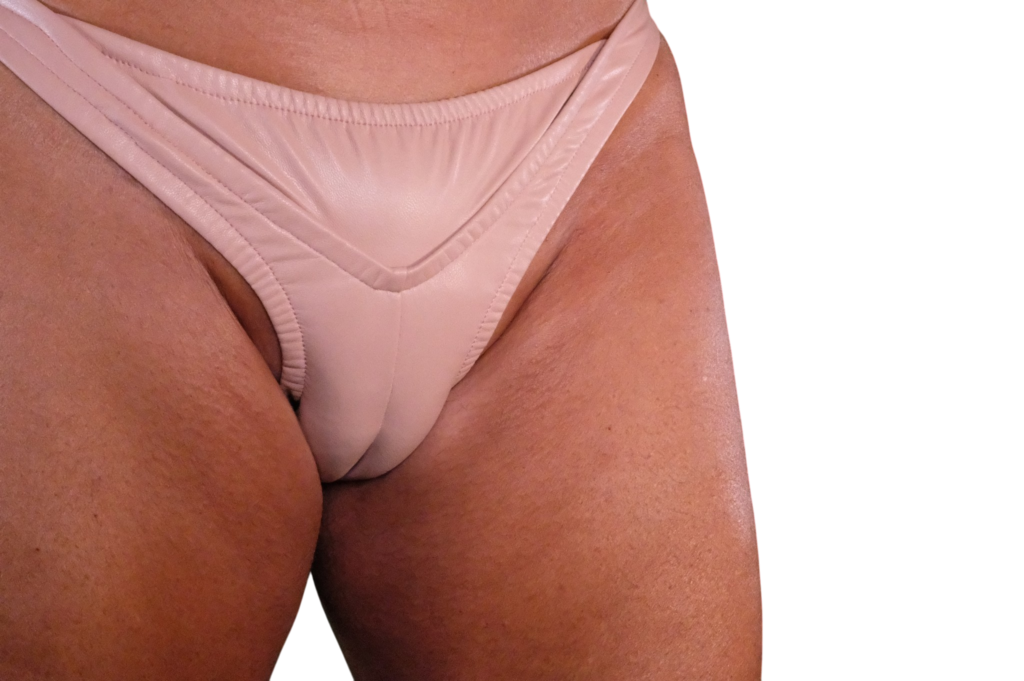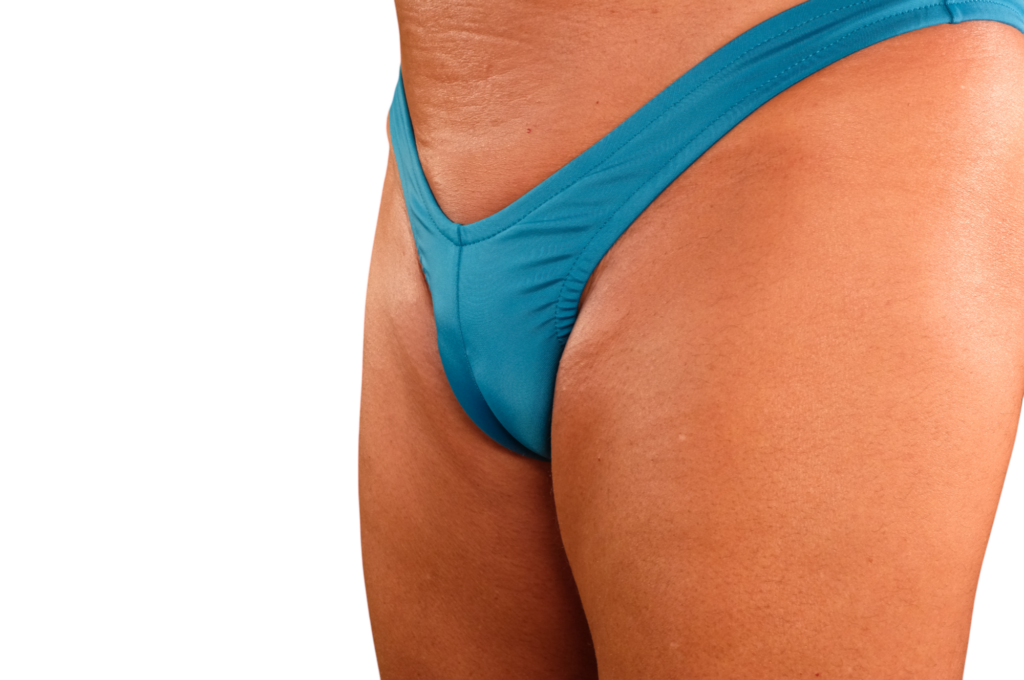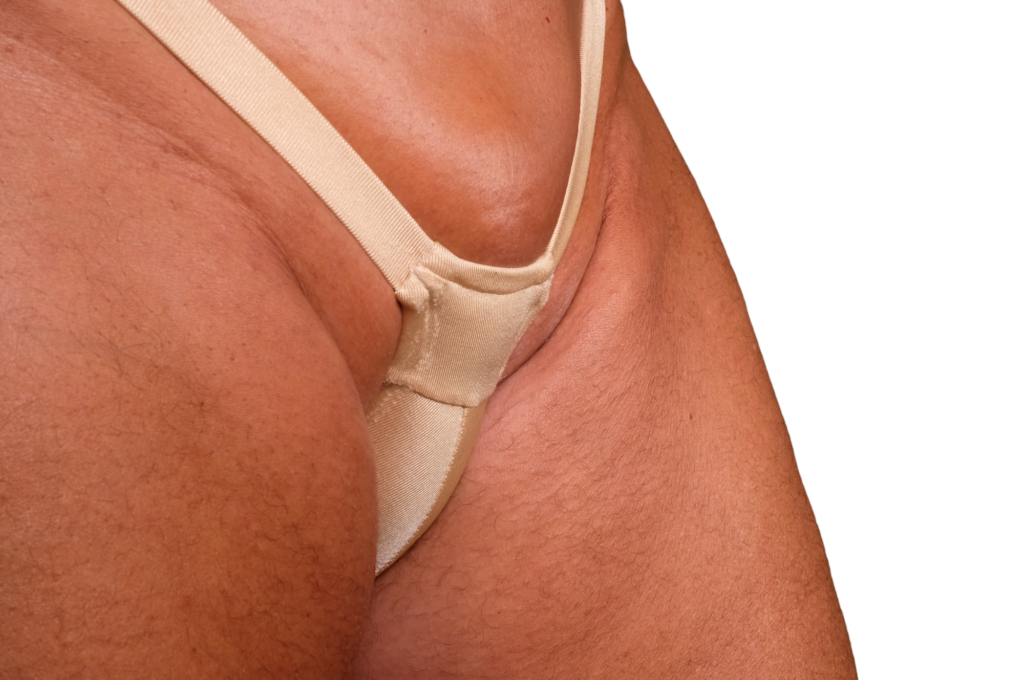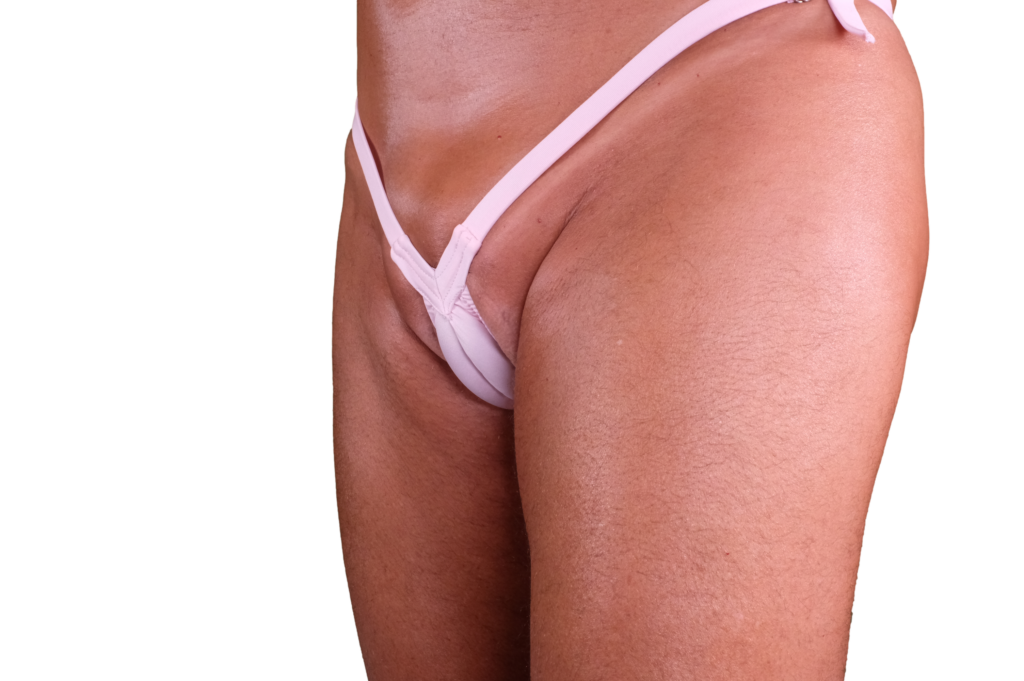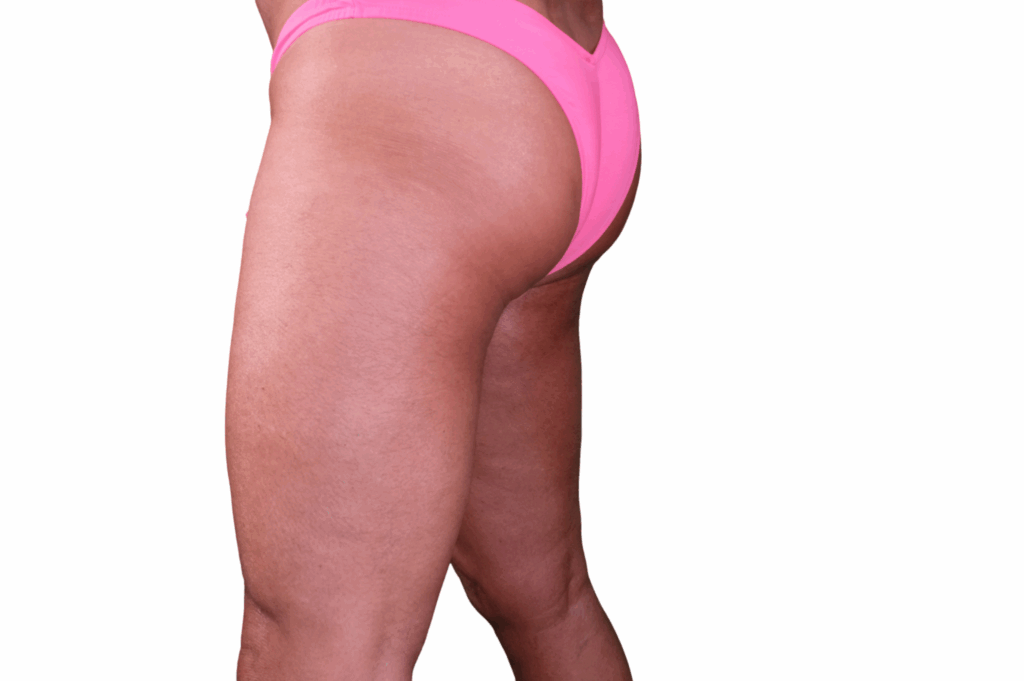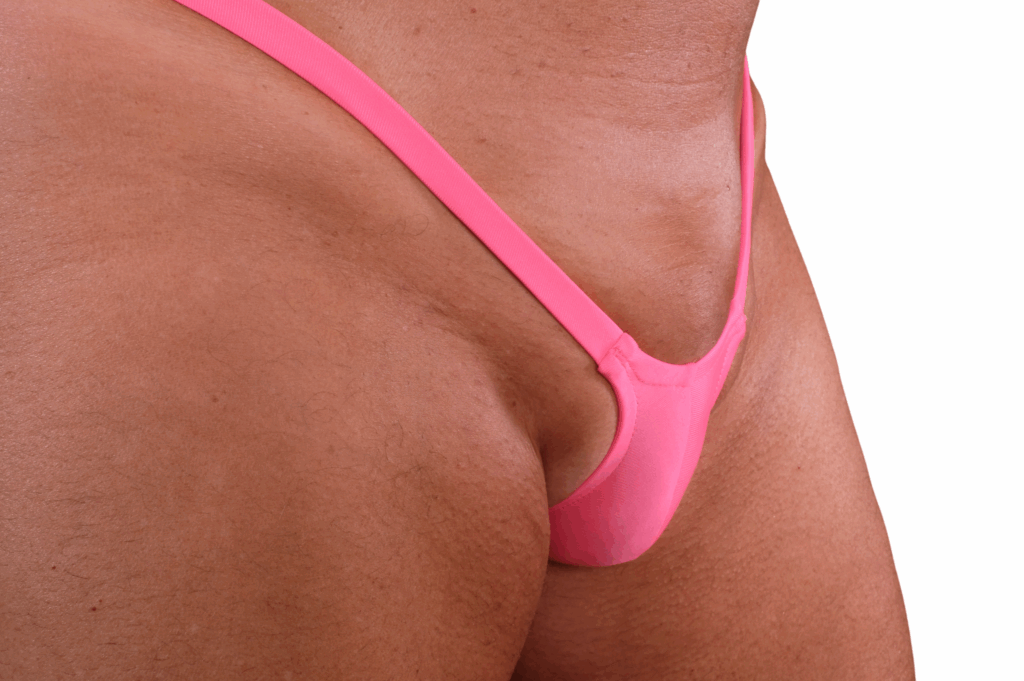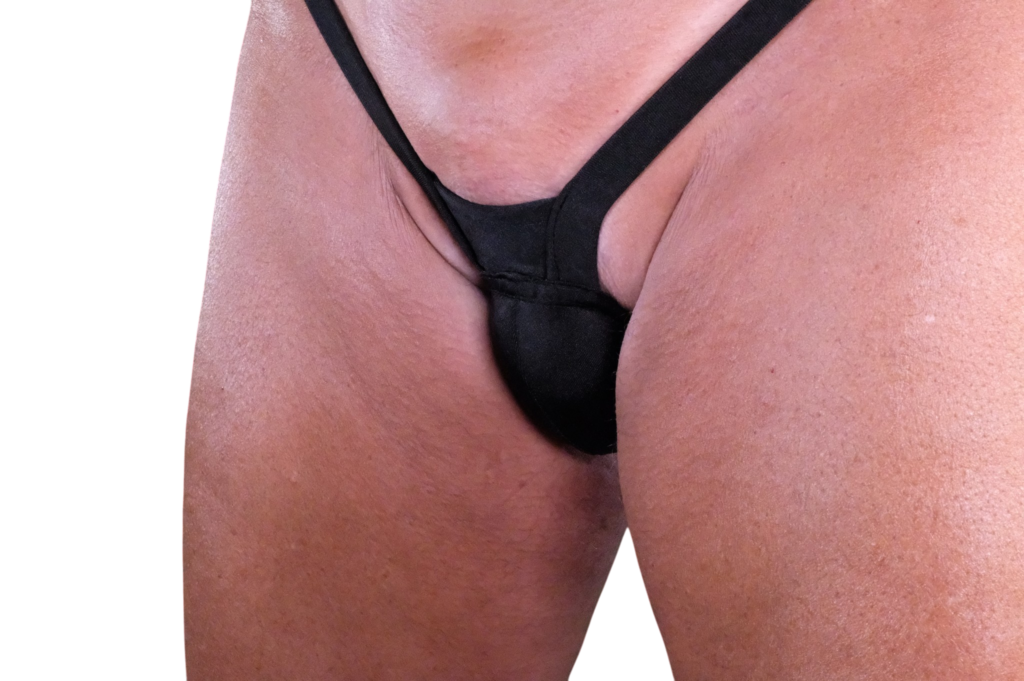
Gender Fluid Swimwear Be the Girl you were meant to be

Gender Fluid Swimwear

Gender Fluid Swimwear: Be the Girl You Were Meant to Be

Gender fluid swimwear is more than just a fashion category—it is a personal expression, a tool for transformation, and, for many, a bridge between identity and embodiment. In a world where rigid definitions of gender are steadily dissolving, swimwear has become one of the most powerful and immediate ways to explore, affirm, and celebrate femininity—regardless of where you are on your journey.

This article explores the evolution, design philosophy, functional elements, and emotional significance of gender fluid swimwear, with a focus on achieving a feminine look and feeling confident embracing it.


1. The Rise of Gender Fluid Swimwear

Historically, swimwear has been one of the most gender-coded categories in fashion. Men wore utilitarian suits designed for coverage and movement, while women’s swimwear evolved toward body expression, curves, and sensuality.

Over time, however, these boundaries began to blur.

  • The popularity of spandex and stretch fabrics allowed tighter, more form-fitting designs.
  • Men’s swimwear evolved from loose trunks into briefs, bikinis, and eventually thongs.
  • LGBTQ+ communities—especially trans women, non-binary individuals, and femme-presenting men—began to reshape what swimwear could be.

Today, gender fluid swimwear is a fast-growing category that embraces:

  • Feminine silhouettes for all bodies
  • Body-contouring designs
  • Adaptive features for different anatomy
  • Freedom of expression without labels

The idea is simple but powerful: you don’t have to fit the suit—the suit is designed to fit you and who you want to be.


2. What Does “Be the Girl You Were Meant to Be” Mean?

This phrase speaks to identity, but also to presentation and feeling.

For many wearers, gender fluid swimwear allows them to:

  • See themselves in a more feminine way
  • Experience their body differently
  • Present outwardly in alignment with their inner identity
  • Explore femininity safely and progressively

This doesn’t require surgery or permanent changes. Swimwear itself becomes a temporary transformation tool—one that can be as subtle or as bold as you choose.


3. Core Design Elements of Gender Fluid Swimwear

The magic of gender fluid swimwear lies in its design. Every cut, seam, and stretch panel plays a role in shaping appearance and enhancing femininity.

A. Front Contouring and Feminization

Designs typically fall into several categories:

1. Compression Front Panels

  • Flatten and smooth the front profile
  • Reduce visible bulge
  • Create a neutral or feminine silhouette

2. Tucking-Compatible Designs

  • Reinforced front with extra support
  • Holds everything in place securely
  • Works with or without additional tucking techniques

3. “Illusion” or Feminizing Fronts

  • Shaped fabric that mimics a natural feminine contour
  • Strategic seams and tension zones
  • Creates a subtle “camel toe” effect without requiring surgery

These features are especially important for:

  • Pre-op and no-op trans women
  • Gender fluid individuals
  • Anyone seeking a more traditionally feminine front appearance

B. High-Cut Legs and Hip Emphasis

One of the most powerful feminizing effects comes from the leg cut.

  • High-cut sides elongate the legs
  • Curved openings create the illusion of wider hips
  • Minimal side coverage enhances silhouette

This design shifts visual proportions—making the waist appear smaller and hips more pronounced.


C. Rear Coverage Options

Gender fluid swimwear embraces a wide range of back styles:

  • Full coverage: For modesty and comfort
  • Brazilian cuts: Partial exposure with shaping
  • Thong and G-string styles: Maximum exposure and strong feminine association

For many, rear design is less about necessity and more about identity expression—choosing how bold or subtle to be.


D. Fabric and Stretch Technology

The choice of fabric is critical:

  • High-spandex blends (15–30%) for compression and shaping
  • Double-layer panels for support and smoothing
  • Soft-touch finishes for a more lingerie-like feel

The goal is to create a second-skin effect that enhances curves while maintaining comfort and security.


4. Types of Gender Fluid Swimwear

1. Feminine Bikini Bottoms

  • Classic and versatile
  • Available in high-cut, low-rise, and micro designs
  • Often include front-contouring features

Perfect for beginners and everyday wear.


2. One-Piece Feminizing Suits

  • Full-body shaping and smoothing
  • Often include built-in support zones
  • Strongly associated with traditional femininity

Ideal for those seeking a complete transformation look.


3. Micro and Ultra-Micro Designs

  • Minimal fabric, maximum expression
  • Emphasize body confidence and bold femininity
  • Often rely heavily on precise tailoring and stretch

These styles are about embracing visibility and confidence.


4. Hybrid and Gender-Neutral Styles

  • Blend masculine and feminine elements
  • May include slightly fuller cuts with feminizing shaping
  • Great for those exploring identity gradually

5. Practical Considerations: Comfort, Confidence, and Security

Looking feminine is only part of the experience—feeling secure is equally important.

Fit and Sizing

  • Snug fit is essential for proper shaping
  • Too loose = loss of feminizing effect
  • Too tight = discomfort and reduced wearability

Activity Level

  • Lounging vs swimming vs active beach sports
  • More active use requires stronger support and secure construction

Layering Options

  • Sheer wraps, sarongs, or cover-ups for transitional comfort
  • Helps ease into public settings

6. Psychological Impact and Empowerment

For many wearers, the first time putting on gender fluid swimwear can be a powerful moment.

It can bring:

  • A sense of alignment between body and identity
  • Excitement and self-recognition
  • Increased confidence in public or private spaces

It can also feel vulnerable at first. That’s normal.

Confidence builds over time, often in stages:

  1. Private wear at home
  2. Wearing under clothing
  3. Poolside or secluded environments
  4. Public beaches or social settings

Each step is valid—and there is no rush.


7. Social Trends and Mainstream Acceptance

Gender fluid fashion is no longer niche. Swimwear is at the forefront of this shift.

  • Designers are creating inclusive collections
  • Social media has normalized diverse presentations
  • Beaches and pools are becoming more expressive environments

Additionally, many traditionally “feminine” styles—like high-cut bikinis and thong designs—are increasingly worn by people of all gender identities.

This creates a powerful feedback loop:

  • Visibility → acceptance → more design innovation → more visibility

8. Choosing the Right Style for You

If your goal is to “be the girl you were meant to be,” consider:

  • Your comfort level: Start subtle or go bold
  • Desired silhouette: Smooth vs contoured vs enhanced
  • Environment: Private, resort, public beach
  • Expression style: Soft femininity, sporty, or ultra-sexy

There is no single “correct” look—only what feels right for you.


9. Final Thoughts

Gender fluid swimwear is not just about appearance—it’s about possibility.

It allows you to:

  • Explore identity without permanence
  • Shape your body’s presentation in new ways
  • Express femininity on your own terms

Whether you choose a modest one-piece or an ultra-micro design, the most important element is how it makes you feel.

Because at its core, this movement isn’t about changing who you are—it’s about revealing who you’ve always been.

Be bold. Be expressive. Be fluid. Be you.

Gender Fluid Swimwear

Gender-Fluid Swimwear: How New Designs Have Evened the Playing Field for No-Op and Pre-Op Trans People

Over the last decade, swimwear design has undergone a quiet but powerful revolution. What once felt like a rigid divide between “men’s suits” and “women’s suits” has started to dissolve as designers explore gender-fluid swimwear—styles created to work across a spectrum of bodies rather than forcing everyone into traditional categories.

For many no-op and pre-op trans people, this shift has been transformative. Swimwear used to be one of the most stressful pieces of clothing to wear in public because it exposed so much of the body. Today, new materials, innovative cuts, and gender-neutral design philosophies are making it possible for people to express their identity comfortably—without needing surgery to feel confident at the beach or pool.

This evolution has helped level the playing field, giving trans individuals the same freedom to enjoy swimwear that others have long taken for granted.


The Traditional Swimwear Problem

For decades, swimwear was built around strict gender assumptions.

Typical designs followed two separate paths:

Men’s swimwear

  • Board shorts
  • Swim briefs
  • Square cuts
  • Suits designed around a visible bulge

Women’s swimwear

  • Bikinis
  • One-piece suits
  • High-cut designs
  • Suits designed for a smooth front profile

For trans people who had not undergone genital surgery, these categories often created an uncomfortable dilemma.

A trans woman might love the look of a bikini but worry about visible anatomy.
A trans man might feel uncomfortable with swimwear that emphasized curves.

The result was that many trans individuals avoided beaches, pools, or water activities entirely.


The Rise of Gender-Fluid Design

Modern swimwear designers began addressing these challenges by focusing on body adaptability rather than gender labels.

Gender-fluid swimwear prioritizes:

  • Flexible construction
  • Strategic shaping
  • Stretch fabrics
  • Multiple styling options
  • Comfort across different body types

Instead of forcing bodies to match a design, the design adapts to the body.

This philosophy has opened the door to swimwear that works for:

  • Cisgender men and women
  • Nonbinary individuals
  • Pre-op trans people
  • No-op trans people
  • Gender-fluid individuals

Everyone can choose the style that best matches their identity and comfort level.


How These Designs Help Trans Women

For pre-op and no-op trans women, gender-fluid swimwear has introduced several innovations that allow them to wear traditionally feminine styles without surgery.

Built-In Shaping Panels

Many modern swimsuits include:

  • Compression panels
  • Double-layer fronts
  • Sculpting fabric zones

These features help create a smoother silhouette while remaining comfortable.

Tucking-Friendly Construction

Some designs provide extra space and structure for tucking techniques while still maintaining the look of a traditional bikini or one-piece suit.

This allows wearers to enjoy feminine swimwear styles without constantly worrying about adjustments.

Feminizing Cuts

Designers also use visual shaping tricks such as:

  • Higher hip cuts
  • Ruched fabric
  • Strategic seams
  • Contoured waistlines

These design elements help emphasize curves and soften body lines.


How These Designs Help Trans Men

Gender-fluid swimwear has also expanded options for trans men.

Many suits now feature:

  • Compression tops
  • Athletic tank styles
  • Binder-friendly swim shirts
  • Shorts designed for a flatter silhouette

These designs help create a more traditionally masculine appearance without discomfort or restriction.


The Role of Advanced Fabric Technology

Much of the gender-fluid swimwear revolution has been made possible by improvements in spandex and performance fabrics.

Modern swimwear materials offer:

  • Four-way stretch
  • Strong recovery
  • Breathability
  • Compression support
  • Quick-dry properties

These fabrics allow designers to shape and support the body without rigid structures.

The result is swimwear that moves naturally with the body while still providing subtle sculpting effects.


Psychological Freedom at the Beach

Perhaps the most important benefit of gender-fluid swimwear is confidence.

For many trans individuals, the beach used to feel like a place of exposure and anxiety.

Now, the right swimsuit can provide:

  • Gender affirmation
  • Body comfort
  • Personal expression
  • Social confidence

Instead of worrying about being scrutinized, people can focus on enjoying the water, sun, and community.


Fashion Moving Beyond Gender

The impact of gender-fluid swimwear goes far beyond the trans community.

Many cisgender consumers are also embracing these designs because they offer:

  • Better fit options
  • Greater comfort
  • Unique styles
  • Freedom from traditional gender expectations

Fashion as a whole is moving toward a future where clothing is defined less by gender and more by individual identity and personal expression.


The Future of Inclusive Swimwear

As awareness grows and demand increases, swimwear designers are continuing to innovate.

Future developments may include:

  • Even more adaptive cuts
  • Modular swimwear pieces
  • Customizable shaping zones
  • Expanded size ranges
  • Inclusive marketing and representation

These innovations will further erase the barriers that once separated people based on gender presentation.


A More Equal Beach Experience

Gender-fluid swimwear has helped create something that many people once thought impossible: a level playing field in swimwear fashion.

Pre-op and no-op trans individuals no longer have to choose between hiding their bodies or avoiding the beach entirely. Instead, they can select swimwear that matches their identity and feels good to wear.

In the end, swimwear should be about freedom—freedom to swim, to relax, to express yourself, and to enjoy the sun just like everyone else.

And thanks to gender-fluid design, that freedom is now available to more people than ever before.

Gender Fluid Swimwear Vagina Look

Gender-Fluid Swimwear with a Feminine or “Vagina-Look” Aesthetic

Design, identity, and self-expression for trans, femme, and gender-exploring wearers

Swimwear has always been a space where identity, body, and confidence intersect. In recent years, a new wave of gender-fluid and affirming swimwear designs has emerged—pieces that move beyond traditional men’s and women’s categories and instead focus on presentation, comfort, and self-expression. Among these are innovative suits that create a smooth, feminine front silhouette, sometimes described as a “vagina-look” aesthetic.

For many trans women, non-binary people, femme-presenting individuals, and those exploring feminization or sissy identities, these designs offer something powerful: the ability to align outer appearance with inner identity in a public, social, and often vulnerable setting like the beach or pool.


1. The Rise of Gender-Fluid Swimwear

Traditional swimwear has historically been divided into rigid categories—men’s suits designed to emphasize anatomy and women’s suits designed around curves. Today, designers are increasingly creating gender-neutral or gender-affirming options that allow wearers to:

  • Minimize or smooth masculine anatomy
  • Create a softer, flatter or more feminine appearance
  • Blend masculine and feminine aesthetics
  • Choose presentation based on mood or identity rather than assigned gender

This shift reflects broader cultural changes toward fluid gender expression and the recognition that swimwear can be both functional and deeply personal.


2. What Is a “Vagina-Look” or Feminized Front Design?

A “vagina-look” or feminizing front panel in swimwear refers to construction techniques that create a smooth, flat, or subtly contoured front profile that resembles the appearance of a vulva rather than a traditional male bulge.

These designs may include:

Smooth Compression Panels

A firm but flexible front layer that gently compresses and smooths anatomy to create a flatter contour.

Contoured or Shaped Front Seams

Strategic seam placement that visually mimics the natural lines of feminine anatomy, helping create a more feminine illusion.

Tucking-Friendly Construction

Some suits are designed to accommodate safe tucking methods, with:

  • Reinforced inner layers
  • Stretch-retention fabric
  • Secure, comfortable hold without harsh pressure

Minimalist Front Coverage

Ultra-minimal styles can visually reduce projection and create a sleek, subtle silhouette that aligns with a feminine aesthetic.


3. Who Wears These Designs?

While these suits are sometimes discussed in niche communities, the reality is that many different people are drawn to them, including:

Trans Women (Pre-Op and No-Op)

For many trans women, these suits provide a way to:

  • Feel comfortable in public swim spaces
  • Present a body shape that aligns with their gender identity
  • Reduce dysphoria and increase confidence

Non-Binary and Gender-Fluid Individuals

Some people prefer an androgynous or shifting presentation, and these designs allow them to move between masculine and feminine aesthetics freely.

Femme-Identified and Feminization-Exploring Individuals

People exploring feminine identity—including cross-dressers or sissy/femme identities—often find these suits affirming and expressive, especially in safe or private environments.

Anyone Who Prefers a Sleeker Silhouette

Some wearers simply enjoy the clean, minimal look and the fashion statement it creates, regardless of gender identity.


4. Style Variations and Design Types

Gender-fluid swimwear with feminizing fronts comes in a wide range of styles, from sporty to ultra-minimal. Some common categories include:

Feminine Bikini Cuts

  • High-cut leg openings
  • Narrow side straps
  • Soft front panel shaping

Micro and Ultra-Micro Designs

  • Very small coverage areas
  • Focus on minimizing projection
  • Designed for tanning and body display

One-Piece or Bodysuit Styles

  • Full-torso coverage
  • Smooth shaping from chest to hip
  • Often used for full feminine presentation

Hybrid Androgynous Styles

  • Blend of masculine brief cuts with feminine front shaping
  • Ideal for gender-fluid presentation

5. Materials and Comfort

The success of these designs depends heavily on fabric technology. Most use:

  • High-stretch spandex blends for flexibility
  • Four-way stretch compression fabrics for shaping
  • Soft inner linings for comfort and skin protection
  • Quick-dry, chlorine-resistant materials for durability

Comfort is essential, especially for those using tucking techniques or wearing these suits for extended periods.


6. Psychological and Emotional Impact

For many wearers, these swimsuits are not just fashion—they are tools of self-affirmation.

Wearing a suit that aligns with one’s gender expression can:

  • Reduce anxiety in public spaces
  • Increase body confidence
  • Support identity exploration
  • Create a sense of belonging and visibility

For some, the experience of stepping out in a suit that reflects their true self can be transformative, turning what might have been a stressful situation into one of pride and empowerment.


7. Public vs. Private Wear

While these designs are becoming more common, comfort levels vary depending on setting:

  • Private settings (resorts, private pools, events) often provide more freedom
  • LGBTQ+ friendly beaches and spaces are increasingly welcoming
  • Mainstream public pools and beaches may require more awareness of local norms and personal comfort

The most important factor is always personal safety, comfort, and confidence.


8. The Future of Gender-Affirming Swimwear

As fashion continues to evolve, we are likely to see:

  • More inclusive sizing and body-type options
  • Increased mainstream visibility of gender-fluid swimwear
  • Improved fabric technology for comfort and shaping
  • Greater normalization of diverse gender presentation at beaches and pools

Designers are increasingly recognizing that swimwear is not just about swimming—it’s about identity, confidence, and being seen as who you truly are.


Final Thoughts

Gender-fluid swimwear with a feminine or “vagina-look” aesthetic represents a meaningful step forward in inclusive design and personal expression. For trans women, femme individuals, and anyone exploring gender presentation, these suits offer a way to feel aligned, confident, and authentically themselves in spaces that were once uncomfortable or limiting.

At its core, this movement is about more than fabric or style—it’s about freedom, visibility, and the right to feel at home in your own body, whether by the pool, at the beach, or anywhere in between

Finding Gender Fluid Swimwear

Gender fluid swimsuit
Gender-fluid swimwear for MTF transformation.

Finding Gender-Fluid Swimwear Geared to MTF Transformation Designs

Gender-fluid swimwear is about flexibility: you can present more masc, more femme, or somewhere in between—without needing your body to “match” a single look. When you specifically want MTF transformation vibes, the goal usually shifts from “gender-neutral” to feminizing: smoothing, reshaping, minimizing bulge, enhancing curves, and creating a silhouette that reads more traditionally feminine—while still being comfortable and wearable in public settings like pools, beaches, resorts, or even a cruise.

Below is a practical, style-by-style guide to what to look for, what to avoid, and how to choose designs that deliver that “I look and feel more femme in the mirror” effect.


1) What “MTF transformation swimwear” usually means (in practice)

When people say they want gender-fluid swimwear geared toward MTF presentation, they usually mean one (or more) of these outcomes:

  • A smooth front (minimal-to-no visible bulge)
  • A lower, more feminine “front profile” in tight fabric
  • A silhouette that reads as women’s swimwear at a glance (cut, coverage, straps, waistline)
  • Confidence in motion: walking, sitting, swimming, bending, and not constantly adjusting
  • Optional “modularity”: can work with a tuck, without a tuck, or with padding/prosthetics

The best designs solve shape first, then style.


2) The key engineering features that create a feminizing effect

A) Compression architecture (the #1 feature)

Look for:

  • Firm front panel or double-layer front
  • Power mesh lining (especially in the lower front and gusset)
  • Wide, stable waistband (thin waistbands roll and reveal)

Compression does two things at once: it reduces protrusion and creates a cleaner, flatter visual line—especially in wet fabric.

B) The right seam placement

Seams are not just decoration; they steer the eye.

  • A center-front seam can either help shape (if paired with lining) or highlight anatomy (if thin).
  • Angled seams and side panels can visually “feminize” the hip line.
  • No front seam with a strong lining often reads the smoothest.

C) Coverage and cut that reads femme

Cuts that commonly read feminine:

  • High-cut leg (lengthens legs, curves the hip)
  • Cheeky / Brazilian back (more femme-coded but still wearable)
  • Thong/G-string (maximum femme-coded, but very bold)
  • Skirted bottoms (softens silhouette and adds concealment)

D) Fabric weight + finish

Wet cling is real. You want fabric that behaves.

  • Heavier spandex blends hold shape better
  • Ribbed or textured fabrics hide outlines better than glass-smooth solids
  • Prints reduce visual “read” more than flat colors

3) The best style categories for gender-fluid, MTF-leaning swimwear

1) Feminizing swim briefs (the stealth “transformation” option)

These are the easiest entry point because they look normal on a beach, but can still reshape a lot.

  • Best for: beginners, public pools, mixed company
  • Look for: strong lining + stable leg openings
  • Avoid: ultra-thin fashion fabrics with no lining (they show everything)

Pro tip: A slightly higher rise (closer to women’s bikini bottoms) often reads more femme than a low-slung men’s brief.


2) Bikini bottoms with shaping lining (high-cut = instant feminization)

A women’s-cut bikini bottom (or a unisex bottom with that silhouette) is one of the fastest “presentation shifts.”

  • Best for: feminine silhouette without going extreme
  • Look for: high-cut leg, medium front coverage, compressive lining
  • Works with: light tuck, moderate tuck, or sometimes no tuck depending on design

If you want “gender-fluid,” this is a sweet spot: it’s clearly femme-coded, but not costume-like.


3) Skirted bottoms or swim skorts (confidence + concealment)

This is the most forgiving category.

  • Best for: nervousness about outline, movement, or beach anxiety
  • Feminizing effect: adds “softness,” hides transitions, reduces self-consciousness
  • Works with: any tuck method or none

If you want to be out and about without thinking about it every minute, skirted bottoms are underrated.


4) One-pieces with shaping panels (most “complete” transformation look)

A shaping one-piece can feminize the entire torso line: flatter stomach, smoother front, more hourglass effect.

  • Best for: overall silhouette, less focus on the front
  • Look for: built-in tummy control, double lining, structured straps
  • Style choices: scoop neck, high-leg, open back, cutouts (depending on boldness)

One-pieces also reduce “the spotlight” effect because the eye reads the outfit as a whole.


5) Tucking swimwear or “transformation” designs (maximum front smoothness)

These are purpose-built for that “smooth front” result.

  • Best for: maximum feminization and confidence in photos
  • Look for: designs that explicitly mention tucking support, gaff-style lining, or front-smoothing
  • Caution: comfort varies widely, especially for long wear or swimming laps

If the design is too aggressive, it can become uncomfortable fast—so prioritize fit and fabric quality.


6) Thongs / micro styles (high impact, high attention)

These are the “bold mode” options:

  • Best for: resort vibe, private pools, LGBTQ+ friendly beaches, club-style pool parties
  • Feminizing effect: very strong (reads femme-coded quickly)
  • Tradeoff: draws attention; requires confidence and careful fit

If you want gender-fluid, you can treat these as “optional intensity” pieces rather than everyday suits.


4) Choosing based on your comfort level

If you want subtle gender-fluid

  • Mid-rise bikini bottom
  • Brief with shaping lining
  • One-piece with moderate neckline

If you want obviously femme-coded

  • High-cut bikini
  • Cheeky/Brazilian back
  • One-piece with feminine straps or cutouts

If you want full MTF transformation effect

  • Tuck-support or transformation bottom
  • Shaping one-piece + strong front lining
  • Textured/printed fabric for extra concealment

5) Fit rules that matter more than the brand

  • Too small = more outline + rolling edges + discomfort
  • Too big = shifting, gapping, loss of shaping
  • Correct size = stable edges + smooth front + “set it and forget it”

Leg openings are crucial. If they cut in, they can create lines; if they’re too loose, they’ll move and reveal.


6) How to build a small “gender-fluid swim wardrobe” (3 pieces)

If you want a simple, versatile rotation:

  1. Everyday feminizing bottom (lined, high-cut or brief)
  2. Confidence suit (skirted bottom or shaping one-piece)
  3. Fun/bold suit (cheeky or thong/micro for vacations or safe spaces)

That trio covers nearly every setting—without you needing one suit to do everything.


7) Comfort and safety notes for tuck-leaning swimwear

If you tuck (or use strong compression):

  • Take breaks if you’ll be in it for hours
  • Avoid designs that cause numbness or sharp pain
  • For active swimming, prioritize stability and comfort over extreme shaping

Transformation should feel exciting—not like you’re enduring the suit.


8) A quick checklist you can use while shopping

When you’re looking at a product page, ask:

  • Is there front lining / double layer / power mesh?
  • Does the cut look women’s-coded (high-cut leg, bikini silhouette)?
  • Are the seams placed in a way that won’t spotlight the front?
  • Is the fabric thick enough and/or textured/printed?
  • Will this be comfortable for how long I’ll wear it (30 minutes vs. 6 hours)?

Where Can I Find Gender Neutral Swimwear

I’m Looking for MTF or Gender-Canceling Swimwear

Where Can I Find Gender-Neutral Swimwear That Actually Feels Right?

For many people, swimwear is one of the most emotionally loaded pieces of clothing you can wear. It’s revealing, it’s public, and it leaves very little room to “hide.” If you’re looking for MTF, gender-canceling, or gender-neutral swimwear, you’re usually not just shopping for a swimsuit — you’re searching for something that lets your body match how you feel inside.

Whether you identify as a trans woman, non-binary, gender-fluid, or simply want a more feminine or neutral presentation without labels, the right swimwear can be incredibly affirming.


What Is MTF & Gender-Canceling Swimwear?

MTF (male-to-female) swimwear and gender-canceling swimwear are designed to reduce or completely eliminate masculine visual cues in the genital area while creating a smooth, feminine or neutral silhouette.

Unlike traditional men’s swimwear — which often emphasizes bulge, structure, or anatomy — these designs focus on:

  • Smoothing the front
  • Minimizing projection
  • Creating a flat or softly contoured appearance
  • Allowing the body to read as feminine, neutral, or ambiguous

For many wearers, this isn’t about “hiding” — it’s about alignment.


Where Can You Find Feminizing & Gender-Neutral Swimwear?

🌊 Specialized MTF & Gender-Affirming Designers

Mainstream swim brands rarely design for trans or non-binary bodies. That’s why many people turn to niche designers who intentionally create trans-inclusive and feminizing swimwear.

One of the most talked-about names in this space is Koalaswim.

Koalaswim is known for offering designs that blur — or completely erase — traditional gender lines, especially in swimwear. Their styles are often described as:

  • MTF
  • Gender-fluid
  • Feminizing
  • Gender-canceling

These suits aren’t styled like typical men’s swimwear at all. Instead, they borrow heavily from women’s bikini and thong construction, then re-engineer it for bodies that haven’t undergone surgery.


How Koalaswim-Style Designs Feminize the Body

1. Smooth-Front Engineering

A key feature of feminizing swimwear is the smooth front panel. Instead of allowing the anatomy to define the shape of the suit, the fabric and cut work together to gently compress, flatten, and redistribute.

The result:

  • A flat or softly contoured front
  • No obvious bulge
  • A look that reads as feminine or neutral at a glance

Many people describe this as the first time they’ve worn a swimsuit and felt comfortable standing upright, walking, or sitting without anxiety.


2. Feminine Cuts & Minimal Coverage

Koalaswim-style designs often use:

  • Bikini cuts
  • Thongs
  • G-strings
  • Ultra-minimal silhouettes

These styles don’t just reduce coverage — they change how the body is perceived. High-cut leg openings lengthen the legs, narrow the waist visually, and shift attention away from the groin area.

Instead of feeling “masculine in a small swimsuit,” wearers often describe feeling:

  • Soft
  • Sleek
  • Feminine
  • Androgynous
  • Deliberately non-binary

3. Fabric That Feels Like a Second Skin

Another major part of the experience is how the fabric feels. Feminizing and gender-affirming swimwear tends to use very soft, stretchy spandex blends that hug the body evenly.

This creates:

  • A gentle, held-in sensation
  • Less awareness of anatomy
  • A feeling of being “wrapped” rather than exposed

Many people say this tactile experience alone is affirming — the suit doesn’t fight your body, it cooperates with it.


How Gender-Neutral Swimwear Feels Emotionally

The physical design matters — but the emotional impact is just as important.

💗 Feeling Female Without Surgery

For trans women and transfeminine people, these swimsuits can provide a powerful sense of temporary physical alignment. Even without hormones or surgery, the mirror finally reflects something closer to how you feel inside.

That moment — seeing a smooth, feminine front in a swimsuit — can be deeply emotional.


🌈 Feeling Non-Binary Without Explanation

For non-binary and gender-fluid wearers, gender-canceling swimwear removes the pressure to “pick a side.” Your body doesn’t have to read as male or female. It simply exists.

That neutrality can feel freeing:

  • No exaggeration of masculinity
  • No forced femininity
  • Just you, as you are

🏖️ Confidence in Public Spaces

Beaches, pools, and resorts are often where dysphoria spikes. The right swimwear can flip that script.

Instead of worrying about:

  • Adjusting
  • Hiding
  • Crossing legs
  • Watching where people look

You get to focus on:

  • Swimming
  • Sun
  • Movement
  • Enjoyment
  • Being seen on your own terms

Who These Swimsuits Are For

MTF and gender-canceling swimwear is worn by:

  • Trans women (pre-op, no-op, or exploring)
  • Non-binary and gender-fluid people
  • Feminine men
  • Androgynous presenters
  • Anyone who wants to minimize masculine anatomy in swimwear

You don’t need a label to wear it. You just need to want a different experience than what traditional swimwear offers.


Final Thoughts

If you’ve ever thought “I love the beach, but I hate swimwear”, you’re not alone. MTF and gender-neutral swimwear exists because many people’s bodies don’t fit neatly into fashion binaries.

Designs like those from Koalaswim show that swimwear can do more than cover you — it can affirm you.

Whether you want to feel feminine, neutral, softly androgynous, or simply at peace in your body, the right swimsuit can change everything.

Embracing Gender Fluid Swimwear

Embracing Gender-Fluid Swimwear — Freedom, Expression, and the Water Within

Swimwear has long been categorized by rigid gender norms: bikinis and one-pieces for women, trunks and briefs for men. But the tide is shifting. Today, gender-fluid swimwear is emerging not merely as fashion, but as empowerment—a way for people of all gender identities to wear what feels true in and out of the water.

What Is Gender-Fluid Swimwear?

Gender-fluid swimwear is swimwear that isn’t defined by traditional male/female labels. It includes anything from mesh coverups and high-cut briefs to bandeaus and board shorts—allowed to mix, match, and reinvent without restriction.

This style celebrates:

  • Self-authenticity
  • Comfort over conformity
  • Creativity in personal presentation
  • Freedom from binary swimwear expectations

It’s not about having one “right” way to dress. It’s about what feels right to you in the moment.


Why It Matters

1. Swimwear as a Form of Self-Expression

Just as tattoos, hairstyles, and sneakers can speak to who we are, swimwear can communicate identity, mood, and confidence. Gender-fluid swimwear allows people to express masculinity, femininity, both, none, or something uniquely in between.

2. Body Positivity and Accessibility

Gender-fluid swimwear encourages body acceptance by freeing people from the pressure to fit into “men’s” or “women’s” shapes. Adaptive sizing, flexible fabrics, and style neutrality help more bodies feel welcome at beaches and pools alike.

3. Style Without Boundaries

Inclusivity has sparked a wave of creative designs:

  • High-waisted trunks with bold prints
  • Minimalist mesh or sheer panels
  • Convertible bikinis/trunks
  • Mix-and-match tops and bottoms
  • Neoprene suits with playful cuts

Brands like Koalaswim have been part of this shift—offering pieces that defy labels and encourage play with form and fit.


How to Curate Your Gender-Fluid Swimwear Wardrobe

✨ Start With Comfort

Choose pieces that feel good on your body—regardless of label. Comfortable swimwear often becomes the most empowering.

🎨 Mix Across Styles

Blend elements:

  • Pair board-short silhouettes with soft bandeau tops
  • Add sheer wraps or sarongs in playful hues
  • Try high-cut briefs with loose, shirt-style tops

There’s no rule book—just inspiration.

🌈 Explore Colors and Prints

Gender-fluid swimwear isn’t monochrome unless you want it to be. Bright colors, abstract patterns, and geometric designs all amplify individuality.

🪩 Confidence Is the Best Fit

Ultimately, the most important piece you can wear is confidence. Swimwear should celebrate you—not box you into someone you’re not.


Tides of Change

As society progresses beyond binary confines, gender-fluid swimwear becomes more than a trend—it represents a cultural movement toward authenticity and inclusivity. It invites each of us to feel liberated in our bodies and in our identities. So whether you love bold prints, minimalist lines, or something entirely new—wear it with pride, and enjoy the freedom of the water.


🌴 Creative Story: “The Shore of Becoming”

The salty breeze flitted through Kai’s hair as they stepped onto the warm sand, toes sinking with ease. It was their first beach day of summer—and not just any summer. This was the season they had decided to embrace who they were, boldly and without apology.

Kai hadn’t always felt at home in swimwear. For years, they bounced between styles—boxy board shorts that felt too restrictive, delicate bikinis that felt too suggestive, and the hollow discomfort that comes with trying to fit into clothes that say one thing about you when your heart says another.

Today, they had chosen something different.

It was a hybrid suit: sleek trunks with a daring cut that whispered of both strength and softness, paired with a shimmery bandeau top that caught the sun like liquid light. Every step toward the water felt like shedding an old skin.

Friends waved, calling out their approval. Some were in brightly patterned swim briefs. Others wore long, radiant cover-ups and playful sarongs. All of them—
everyone—was present in exactly their own skin.

Kai’s friend, Sol, rushed up beside them, eyes bright. “That suit is amazing!” they grinned. “It really feels you.”

Kai smiled—truly smiled—a warmth spreading from their chest to their toes. “It is me,” they whispered.

They waded into the gentle surf, waves lapping at their waist. Mid-splash, Kai felt an unexpected surge of joy—pure and unfiltered. The water didn’t judge. The breeze didn’t care about labels. They were just Kai: fluid, alive, open.

A kid nearby giggled, chasing a crab. A couple danced in the shallows. An elderly surfer paddled by on their board with effortless grace. The ocean welcomed them all.

And for the first time in a long while, Kai welcomed themselves.

Under the sun—
under the blue-washed sky—
authenticity felt like warmth on their skin.

They didn’t think about what others saw.
They embraced what they felt.
And it was nothing short of freeing.

The world was a wide ocean, and Kai was ready to swim—not to fit in, but to be.

Wearing Gender Fluid Swimwear

Wearing Gender-Fluid Swimwear

A detailed guide to MTF, gender-neutral, and gender-canceling designs (and how to choose what works for you).

Gender-fluid swimwear sits in a sweet spot between fashion, function, and freedom. For some people it’s about presenting more femme. For others it’s about removing gender cues entirely. And for plenty of folks, it’s simply the thrill of wearing something sleek, minimal, and expressive—without having to fit a traditional “men’s trunks vs. women’s bikini” box.

This guide breaks down the main design families you’ll see in gender-fluid swimwear—especially styles aimed at MTF presentation, gender-neutral silhouettes, and “gender-canceling” looks—plus fit tips, comfort tips, and how to build a small wardrobe that lets you shift your vibe day-to-day.

Gender Fluid Swimwear

1) What “gender-fluid swimwear” can mean in practice

Gender-fluid swimwear isn’t one single cut. It’s usually one (or more) of these goals:

A. Femme-leaning presentation (MTF styling)

  • Smoother front profile
  • Feminine lines (higher cut legs, cheekier backs, bikini/thong shapes)
  • Some designs hide or reduce bulge visually

B. Gender-neutral minimalism

  • Looks like “just a swimsuit,” not strongly coded male or female
  • Often brief-based silhouettes, sleek fabrics, simple lines

C. Gender-canceling (anti-bulge / de-emphasis)

  • Designs that reduce visibility of genital outline
  • Can range from subtle smoothing to very flat “doll” looks
  • Often paired with compression, shaping, or special paneling

You can mix these: a suit can be femme-cut and also gender-canceling, or neutral-looking while still doing a lot of smoothing.


2) The core design families (with how they work)

2.1 MTF “tucking-friendly” bikini bottoms

These look like classic women’s bikini bottoms but are engineered for:

  • More front coverage
  • Stronger lining
  • Firmer waistband
  • Sometimes wider gusset / front panel for stability

Best for: femme presentation, pool parties, beach lounging, under coverups
Watch for: leg elastic that bites; too-small sizing that becomes painful

Fit tip: You want “secure” not “crushing.” If you feel numbness, sharp pain, or coldness—size up and/or switch to a different design with better paneling.


2.2 High-waisted “retro” bottoms (MTF and gender-neutral)

High waist is one of the most underrated gender-fluid cuts. It can:

  • Smooth the lower belly and hip area
  • Provide a more “feminine” torso proportion
  • Hold shaping panels more comfortably than low-rise

Best for: confident coverage, vintage looks, mixing with crop rashguards
Watch for: rolling waistbands if the elastic is weak

Style trick: Pair a high-waisted bottom with a simple rashguard or a bikini top under a sheer shirt—instantly gender-fluid without “trying too hard.”


2.3 Skirted bottoms and swim skorts (soft gender camouflage)

A skirt layer does two things:

  • Adds a flowing, traditionally femme cue
  • Breaks up the outline of the front and hips visually

Best for: beginners, public beaches, anyone wanting extra privacy
Watch for: drag in water; skirt flipping up in waves


2.4 One-piece suits (classic femme, stealthy gender-fluid)

A one-piece is the ultimate “I’m wearing a swimsuit” statement that doesn’t need explanation. Key variants:

  • Sport one-piece: racerback, athletic seams, neutral but femme-coded
  • Fashion one-piece: deep V, cutouts, high-cut legs, dramatic silhouettes
  • Shaping one-piece: built-in compression panels

Best for: comfort, coverage, body shaping, elegant presentation
Watch for: torso length—many one-pieces fail simply due to short/long torso mismatch

Fit tip: If you’re between sizes, choose based on torso length first, not waist.


2.5 Swim dresses (maximum coverage, maximum “public confidence”)

Swim dresses are a full outfit in one piece, often with:

  • Built-in briefs
  • Lining panels
  • Adjustable straps

Best for: crowded pools, conservative beaches, early transition confidence
Watch for: heat (can feel warmer than minimal suits)


3) Gender-neutral designs: the “not male, not female” zone

Gender-neutral swimwear usually focuses on simple geometry and clean fabric behavior rather than obvious gender cues.

3.1 Neutral swim briefs (minimal cues, maximum sleekness)

A plain brief in a matte fabric can read surprisingly neutral—especially in black, navy, charcoal, or deep jewel tones. Small changes matter:

  • Slightly higher waist = more neutral/femme
  • Wider side straps = more neutral/masc
  • Moderate leg cut = most neutral

Best for: “just a swimsuit” energy, sporty beach style
Watch for: shiny fabrics that amplify outlines


3.2 Short “micro trunk” hybrids

These are tiny swim shorts with:

  • very short inseam
  • snug fit like briefs but with a short-leg look

They read gender-fluid because they borrow from both men’s and women’s swim trends.

Best for: anyone nervous about briefs but wanting sleek spandex
Watch for: fabric riding up; choose designs with stable leg bands


3.3 Rashguard + neutral bottom combos

Rashguards are a cheat code for gender-fluid styling:

  • They reduce how much attention is on the lower half
  • They make the whole look “sport” rather than “gender statement”

Best for: public confidence, sun protection, neutral presentation
Watch for: rashguards that cling too tightly if that’s not your goal


4) Gender-canceling designs (de-emphasis, smoothing, anti-bulge)

This category is about reducing genital prominence and “male-coded” outline. Different brands use different names, but the design strategies tend to be consistent.

4.1 Compression-panel fronts (“smooth front”)

A reinforced front panel compresses and distributes tissue so the outline is less distinct.

Pros: discreet, usually comfortable if sized right
Cons: may not fully flatten for everyone; can feel tight after long wear

Best for: everyday beach days, active swimming, “subtle smoothing”


4.2 Double-layer / power-mesh lining (firm but flexible)

Instead of one stiff panel, you get layered fabrics:

  • outer shell for looks
  • inner power mesh for shaping

Pros: more breathable than heavy compression
Cons: can still show outline in bright light or wet cling


4.3 Structured “cup” or “envelope” fronts (re-shaping instead of flattening)

Some designs don’t try to erase everything; they re-shape the front into a smoother, less explicit contour.

Pros: often more comfortable; less “squash” feeling
Cons: doesn’t create a flat look—more “neutral smooth” than “canceling”


4.4 “Null” or ultra-flat presentation designs (strong cancellation)

These aim for the flattest possible appearance through:

  • very firm panels
  • tighter geometry
  • sometimes specialized internal shaping

Pros: strongest de-emphasis
Cons: can be more restrictive; needs careful sizing and time limits

Safety note: If you ever feel numbness, sharp pain, tingling, discoloration, or coldness—remove the garment and switch to a less intense design. Comfort and circulation come first.


5) Fabrics that matter (more than you’d expect)

Fabric choice can decide whether a suit reads “gender-fluid” or “look at that outline.”

Matte vs. shiny

  • Matte hides contours better, looks more neutral and modern.
  • High shine tends to highlight shape (great for fashion, not for canceling).

Thickness and lining

  • Thicker + lined = better smoothing
  • Thin single-layer = shows more, especially when wet

Stretch character

  • “Snappy” stretch (strong recovery) = better hold and shaping
  • “Soft drape” stretch = comfy but can cling and reveal

6) Choosing the right cut for your goals

If you want femme presentation (MTF vibe)

  • Bikini bottoms with reinforced front
  • High-waisted bottoms
  • One-pieces with shaping
  • Skirted bottoms for extra privacy

If you want neutral presentation

  • Matte briefs with moderate leg cut
  • Micro trunk hybrids
  • Rashguard + neutral bottoms
  • Simple one-piece sport suits

If you want de-emphasis / gender-canceling

  • Compression or power-mesh lined fronts
  • Dark matte colors
  • Wider front panels and stable waistbands
  • Avoid ultra-thin or shiny fabrics

7) How to build a small “gender-fluid swim wardrobe” (5-piece starter kit)

  1. Matte neutral brief (black/navy): everyday, easiest to wear anywhere
  2. MTF-friendly bikini bottom (lined): for femme days
  3. High-waisted bottom (shaping): flattering and confidence-boosting
  4. One-piece (sport or shaping): travel-friendly, no outfit planning
  5. Rashguard or crop top: transforms any bottom into a more public-neutral look

With these, you can go:

  • sporty neutral
  • subtly femme
  • full femme
  • discreet and covered
  • sleek and minimal

8) Comfort and confidence tips for wearing these in public

  • Do a 10-minute test wear at home (dry), then 10 minutes wet. Wet cling changes everything.
  • Bring a coverup (sheer shirt, sarong, short shorts). It’s not a “hide” move—just gives you control.
  • Choose your venue wisely for first outings: resort pools, queer-friendly beaches, or hotel pools can be easier than crowded family beaches.
  • Own the athletic angle if you want: “swim training gear” styling makes almost any suit feel socially simpler.

9) A quick sizing rule that prevents 80% of problems

If the suit is meant to shape or cancel:

  • Do not size down more than one step from your measured size.
  • You want stable compression, not pain.
  • A better-designed panel beats “just tighter.”

What is Gender-Fluid Swimwear

What Is Gender-Fluid Swimwear?

Gender-fluid swimwear is swim clothing designed to move with a person’s gender expression and body needs across contexts and days, rather than forcing them into a binary cut (men’s vs. women’s). It centers on fit, function, and affirmation—covering, revealing, compressing, smoothing, or supporting where you choose, and letting style shift as your mood or dysphoria does.

Think of it as a toolkit: modular tops and bottoms, adjustable coverage, neutral silhouettes, and specialized features (e.g., tucking support or chest compression) that can be mixed and matched without labels dictating what’s “for whom.”


Core Design Principles

  1. Modularity
    • Mix-and-match tops/bottoms; reversible pieces; detachable straps; multi-tie systems.
    • Bottoms offered in multiple rises and leg cuts (brief, bikini, high-cut, thong, short, skirted).
  2. Fit Flexibility
    • Elastic or drawcord waists, multi-position hook/loop closures, wider size ranges, and short/long torso options.
    • Stretch panels that accommodate movement, bloat, or cycle changes.
  3. Affirming Features
    • Bulge-neutral or bulge-contouring options depending on preference.
    • Tucking-friendly gussets with layered liners or compatible space for a gaff.
    • Compression tops specifically designed for water use (safer than everyday binders), with breathable, quick-dry linings and bind zones.
    • Cup-neutral tops: shelf bras with removable pads, or clean, flat fronts with optional insert pockets.
  4. Silhouette Neutrality
    • Clean lines, straight side seams, or gentle shaping that reads as neither overtly “masc” nor “femme”—unless you want it to.
  5. Inclusive Aesthetics
    • Prints and colors not coded by gender, plus wide hue ranges for more skin tones.
    • Subtle design cues (e.g., higher hip + straight neckline) that can lean masc or femme depending on how you style the set.
  6. Technical Materials
    • Chlorine-resistant blends (e.g., PBT/polyester) for durability, with spandex for stretch.
    • Lined and power-mesh zones where support or smoothing is needed; mesh for ventilation in non-support areas.
    • Flatlock seams to reduce chafe.

Popular Garment Types (and What They Solve)

  • Bulge-Neutral Briefs/Bikinis
    Double-lined front or power-mesh pouch, wider gusset, soft stretch. Goal: smooth profile without pain.
  • Tucking-Friendly Bottoms
    Slightly firmer front panel or built-in pocket to pair with a gaff; seamless edges to minimize lines.
  • Gender-Neutral Shorts & Skorts
    2–5″ inseam shorts or skorts with brief liners; great for coverage, pockets, and movement.
  • Compression Swim Tops
    Water-safe compressive panels (not everyday binders). They flatten moderately while allowing rib expansion and shoulder mobility.
  • Cup-Optional Tops
    Same body with removable pads vs. pad-free options—one pattern, multiple presentations.
  • One-Pieces with Variable Leg/Rise
    Higher hip can read femme; square neck + lower leg reads neutral/masc. Side ties or adjustable straps change the tone in seconds.
  • Cover Layers
    Rash guards, mesh tees, sarongs, and wrap skirts let you modulate how you present between beach, boardwalk, and café.

Who Finds It Useful (and Why)

  • Gender-fluid & Nonbinary folks: Adapt day-to-day expression without buying multiple “gendered” wardrobes.
  • Trans femmes & transfeminine people: Smoothing/tucking options that reduce dysphoria and increase safety/comfort in public spaces.
  • Trans mascs & trans-masculine people: Swim-safe compression that balances flattening with breathability; bottoms that avoid a hyper-femme cut.
  • Intersex people: Customizable coverage around unique anatomy, with comfort-first patterning.
  • Cis people who prefer different silhouettes, more/less coverage, or just like the aesthetics and fit flexibility.

Why It’s So Popular

  1. Affirmation & Mental Health
    Wearing something that matches how you want to be seen eases social anxiety and dysphoria, letting you focus on fun—not vigilance.
  2. Comfort & Performance
    Technical liners and ergonomic patterning reduce pinch points, ride-up, and chafing during swimming, surfing, or lounging.
  3. Safety & Social Ease
    Smoother lines, better coverage control, and less “label policing” reduce harassment risk and make pool rules simpler to navigate.
  4. Style Range in Fewer Pieces
    A reversible brief + compression top + mesh shirt can produce masc, neutral, or femme looks just by retying or layering.
  5. Community & Visibility
    Inclusive designs signal welcome. Group trips, pool parties, and queer beach days feel more relaxed when clothing isn’t the barrier.

Fit & Measuring Guide (Quick)

  • Tops: Measure full chest at nipple line and underbust; choose compression tops by both numbers (not just S/M/L).
  • Bottoms: Measure high hip (where a bikini sits) and low hip (widest point). Prioritize comfort over ultra-tight smoothing.
  • Torso (one-pieces): From shoulder over bust, through legs, back to shoulder. Short/long torso options help prevent shoulder dig or crotch pull.
  • Try-On Test: Sit, squat, bend, reach overhead, and step up—if nothing strains or shifts painfully, you’re in range.

Tucking, Gaffs & Compression: Safer Practices

  • Swim-Safe Compression: Use tops designed for water. They allow chest expansion; everyday binders do not. Take breaks, especially after long swims.
  • Tucking: A soft gaff or layered liner is preferable to aggressive taping. If you use tape, avoid adhesives that traumatize skin; remove slowly after a warm rinse.
  • Duration: If anything tingles, goes numb, or aches, loosen or swap pieces. Comfort and circulation come first.
  • Rinse & Care: Salt/chlorine weaken elastic—rinse cool water ASAP to maintain support performance.

Styling Playbook (Masc ↔ Femme Without Changing Sizes)

  • Lean Masc: Square-neck compression top + mid-rise brief or 3–5″ swim short, minimal print, straight side seams.
  • Neutral/Athletic: Rash guard over brief, or short with crop-length top; color blocking.
  • Femme-Forward: Higher-hip bottom, adjustable side ties, optional pad inserts, sheer/mesh cover layer, or a wrap skirt.

Buying Checklist

  • Fabric: Chlorine-resistant (PBT/poly) for pools; nylon/spandex is fine for oceans but may age faster in chlorinated water.
  • Lining Map: Look for power-mesh or double lining exactly where you need smoothing/support—not everywhere (which can restrict movement).
  • Seams: Flatlock or bonded in sensitive zones.
  • Hardware: Plastic/rubberized for salt/chlorine; metal can heat in sun and corrode.
  • Adjustability: Multi-hole back closures, tie-sides, drawcords.
  • Size Range: Confirm long/short torso, extended sizes, and clear measurement charts.
  • Return Policy: Essential when exploring new silhouettes.

Care & Longevity

  • Rinse after wear; wash cool, mild soap, no fabric softener; air-dry flat out of direct sun.
  • Rotate suits so elastic “rests.”
  • Check high-stress points (gusset, straps). Replace when compression zones feel loose or wavy.

Pool & Beach Etiquette (and Policies)

  • Pack a cover layer for lobby or café rules.
  • Know the venue’s thong/top policies (varies widely).
  • If staff misgenders your suit, a simple “This is swimwear; I’m comfortable as is” can reset the interaction—bring a printed policy if the venue posts one online.

Why Gender-Fluid Swimwear Makes Lives Better

  • Freedom to participate: People join friends at pools and beaches without fearing exposure or misgendering.
  • Healthier relationships with bodies: Clothing meets bodies where they are—today, not “after I change.”
  • Joy & creativity: Style becomes play, not a test.
  • Belonging: Inclusive design signals that everyone’s invited—because they are.

Quick Start: Three Smart Combos

  1. Neutral-Active Kit: Compression swim tee + mid-rise lined brief + 3″ short.
  2. Femme-Fluid Kit: Adjustable triangle/clean-front top with removable pads + high-hip tucking-friendly bottom + mesh wrap.
  3. Surf-Ready Kit: Long-sleeve rash guard + bulge-neutral brief under boardshorts; swap shorts off when in the water.

Final Thought

Gender-fluid swimwear isn’t a niche—it’s simply better design: adaptive, affirming, and technically sound. When people can choose silhouette, support, and coverage without a gender gate, more of us get to show up, feel safe, and have fun in the water.

Gender-Fluid Swimwear for MTF

1) What “gender-fluid swimwear” means in practice

Gender-fluid swimwear blends traditionally “women’s” silhouettes (bikinis, thongs, one-pieces, cut-outs) with patternmaking and construction that consider AMAB bodies: different hip-to-waist ratios, narrower pelvis, more forward genital projection, chest without breast tissue (pre-HRT), and broader shoulders. For MTF transformation, these suits aren’t just garments; they’re tools—each cut, seam, and lining choice helps you present the shape you want with comfort and confidence.

2) Your goals: pick one (or mix)

  • Feminize shape discreetly: Smooth front, gentle curves, classic bikini or one-piece lines.
  • Feminine illusion with emphasis: Push the hourglass—higher leg openings, side cutouts, ruched bottoms, plunge tops with inserts.
  • Gender-neutral to femme gradient: Athletic silhouettes with soft details (pastels, mesh, scallops) that read femme without overt exposure.
  • Editorial/micro aesthetic: Minimal coverage pieces for private pools, festivals, or photo shoots; great for confident presentation but not always public-beach friendly.

3) Fabric, lining, and construction: what matters

  • Fabric blends: Look for high-quality nylon/spandex or polyester/spandex (18–22% spandex for snap-back). Heavier gauges (190–220 gsm) smooth better.
  • Lining: Front-lined or double-front panels reduce show-through and help with smoothing. Power mesh linings add gentle compression without discomfort.
  • Seams & gussets: Flatlock or clean-finish seams prevent chafe. A shaped crotch gusset with slight forward depth accommodates tuck support or gaffs.
  • Waistbands & edges: Fold-over elastic or wider waist elastics distribute pressure evenly; raw-cut laser edges look sleek but may roll—test movement.

4) Bottom silhouettes (MTF-friendly)

  • High-cut bikini bottom: Leg line lengthens the legs and visually narrows the waist. Works well with smoothing liners or a gaff.
  • Brazilian & cheeky cuts: Read feminine while offering more front real estate than extreme micro cuts. Great for balanced confidence + coverage.
  • String & tie-side bottoms: Adjustable and forgiving during body changes (HRT, weight fluctuations). Choose double-front or add a gaff for smoothing.
  • Thong & G-string: Very femme and minimal—best when you’ve dialed in your tuck/gaff solution and are comfortable with local norms.
  • Shortie/mini-short: A sporty, gender-fluid option that hides edges of shapewear and still gives leg lengthening if hem is high.

5) Top silhouettes (options for many stages)

  • Triangle & bandeau: Classic feminine signal; add removable foam inserts, silicone enhancers, or sew-in cups for shape.
  • Sport/bralette: Supportive for active swimming; looks natural on a flatter chest. Choose scoop or racerback for shoulder balance.
  • Underwire plunge: Creates a very femme line when you use inserts or forms; ensure underwire width matches your root (measure across chest).
  • Monokini/strappy tops: Strong style statements that draw the eye upward and away from the hips.

6) One-pieces that do the most

  • High-leg scoop or plunge: Streamlines the torso and frames the chest; works with inserts. Add ruching for midsection camouflage.
  • Side-cut or faux-two-piece: Creates an hourglass focal point even on straighter frames.
  • Long-torso or adjustable straps: Many AMAB bodies need extra torso length; look for styles labeled “long torso” or with multi-position straps.

7) Shaping & smoothing: tucking, gaffs, and alternatives

Choose the least invasive method that achieves the look you want without pain or numbness.

  • Swim gaffs: Purpose-built, quick to put on, and safer than improvised options. Pair with front-lined bottoms. Avoid overly tight bands—snug, not constricting.
  • Compression swim bottoms: Integrated power mesh panel adds gentle flattening. Great for moderate activity.
  • Tucking basics: If you tuck, do so gently; never force. Use breathable fabric, take breaks, and avoid extended wear that causes discomfort. Stop immediately if you feel pain, tingling, or reduced sensation.
  • Layering trick: Gaff under a lined high-cut bottom yields the smoothest look for most people.

8) Creating curves (hips, bum, bust)

  • Hip pads: Thin silicone or foam “oblique” pads placed higher along the iliac line create a natural curve from waist to thigh. Choose swim-safe options or use pockets sewn into a one-piece.
  • Rear shaping: Scrunch-back bikini bottoms or ruched center-seams add roundness visually; light foam “cheek” pads can help under thicker fabrics.
  • Bust shaping: Start with removable foam cups; scale to silicone inserts or breast forms for photos/non-swim use. For actual swimming, stick to lightweight cups to avoid drag.

9) Color, prints, and optical illusions

  • Dark fronts + patterned rears minimize the front focus and emphasize curves from behind.
  • Vertical lines & side panels carve the waist.
  • Pastels and satin-sheen fabrics read soft and feminine; matte fabrics camo texture better.
  • Small-scale prints feel delicate; large prints feel bold and fashion-forward.

10) Sizing and fitting (step-by-step)

  1. Measure honestly: Waist (narrowest), high hip (around hip bones), low hip (fullest), torso loop (for one-pieces), and chest.
  2. Choose bottoms by low-hip first, then check waist; tie-sides solve in-between sizes.
  3. Try on dry at home: Practice movement—sit, squat, step. Check for rolling or digging.
  4. Water test if possible: Fabrics relax slightly when wet. Confirm security before public wear.
  5. Edit the suit: A tailor can move straps, add a second lining, or close a side gap for surprisingly low cost.

11) Activity matching

  • Lap swimming & surf: Sport tops, bralettes, or one-pieces with racerback; secure high-cut or shortie bottoms; gaff + lined front for smoothness.
  • Lounging & pool parties: Triangle tops, bandeaus, high-leg cheeky or thong bottoms; consider pads/inserts and fashion-forward fabrics.
  • Travel & resorts: Pack a modest backup (e.g., cheeky bottom, bralette top) for venues with conservative norms.

12) Social comfort & etiquette

  • Check local rules: Some beaches/pools regulate minimal coverage; thongs may be restricted. Private pools and resort adults-only areas are often more flexible.
  • Practice posture: Relaxed shoulders, soft wrists, and a gentle S-curve stance amplify a feminine read more than any single garment.
  • Have a cover-up: Sheer sarongs, mesh skirts, or oversized shirts add drama and comfort when walking to/from the water.
  • Bring a change kit: Spare bottom, small towel, travel powder, and a light moisturizer help you reset mid-day.

13) Building a capsule wardrobe

Start with 5–7 mix-and-match pieces:

  • Two bottoms: one high-cut cheeky (daily driver), one thong or tie-side (femme statement).
  • Two tops: one sport/bralette (active), one triangle/bandeau (femme).
  • One one-piece: plunge or high-leg for instant hourglass.
  • One gaff + one lined bottom that work together.
  • One cover-up (mesh skirt or sarong).

Expand later with statement prints, metallics, or micro cuts you love.

14) Care & longevity

  • Rinse immediately after chlorine/salt; hand-wash with gentle detergent.
  • Avoid wringing; press in a towel and air-dry flat, away from sun.
  • Rotate suits; elastane needs recovery time.
  • Store pads and inserts separately to preserve shape.

15) Common fit problems & quick fixes

  • Front shadowing or texture: Add a power-mesh liner or switch to thicker fabric; ensure gaff isn’t twisted.
  • Rolling waistband: Size up or choose wider elastic; consider a shortie cut.
  • Shoulder dig on tops: Wider straps or racerback; move strap anchors in 1–2 cm.
  • Long torso ride-up (one-piece): Try long-torso versions or adjustable shoulder sliders.
  • Pad migration: Stitch tiny “keeper” pockets inside the top or use adhesive inserts for photos (not recommended for swimming).

16) Safety & body-care

  • Skin: Use fragrance-free powder where elastic meets skin; re-apply sunscreen generously around edges.
  • Circulation: If using compression or tucking, avoid numbness/tingling; take breaks and hydrate.
  • Heat: Dark, heavy fabrics trap heat—alternate with lighter colors or mesh cover-ups.

17) Confidence coaching (real talk)

  • Start at comfort level 6/10, not 10/10: pick a style you’re excited by but still able to relax in.
  • Wear it at home for 30–60 minutes while moving—your brain adjusts fast.
  • Invite a supportive friend to your first public wear; a smile and relaxed breathing communicates more confidence than any cut.

18) Example “starter kits” by vibe

  • Sporty-femme: Bralette top + high-cut cheeky bottom, matte fabric, mid-blue or black, light hip pads.
  • Classic bikini: Triangle top with removable cups + tie-side bottom (double-front), pastel print, sarong cover-up.
  • Siren one-piece: High-leg plunge with side panels, power-mesh front, small foam inserts, scrunch-back detail.
  • Editorial/micro (private settings): Minimal triangle + micro thong, heavier fabric for stability, ensure excellent gaff fit and check venue norms.

Final thoughts

Gender-fluid swimwear for MTF transformation is about choice and control: the right fabric and cut can soften lines, the right liner or gaff can smooth the front, and small styling decisions (color, ruching, prints) do a lot of visual work. Start with supportive, well-lined pieces, master your smoothing method safely, then branch into bolder cuts as your comfort grows. The best suit is the one that lets you breathe, move, and feel unmistakably you.

Guide to Gender Fluid Swimwear

The Complete Guide to Gender-Fluid Swimwear


1) What “gender-fluid swimwear” means

Gender-fluid swimwear is any swim garment designed (or styled) to blur or move across traditional menswear/womenswear categories. The goals vary by person:

  • Express fluidity: Mix silhouettes, colors, and details from multiple categories.
  • Affirmation: Align your outward silhouette with your internal sense of self (e.g., creating a smooth front or a feminine line without surgery).
  • Function & comfort: Swim, sun, and move confidently—no slip, no show-through, and supportive shaping where you want it.

2) Fit & foundation principles (read this first)

  • Measure, don’t guess. Record waist, high hip, low hip, and rise (front & back). For one-pieces: also bust/chest, torso length (shoulder-through-crotch-back to shoulder), and underbust.
  • Compression hierarchy. Light (everyday), medium (public swimming), firm (photo/performance). Firmer compression ≠ better—match it to activity and comfort.
  • Coverage vs. mobility. High-cut legs and narrow sides lengthen the leg line but reduce “anchor” area; pair with grippy elastic or silicone edges.
  • Lining matters. A second layer improves opacity, stability, and shape. Front-lined or fully lined options change the drape and support.
  • Wash after every wear. Rinse cold, mild detergent, air dry flat away from sun to preserve elastane.

3) The spectrum of gender-fluid silhouettes

A. Unisex & androgynous basics

  • Square-cut shorts / trunks (short inseam): Neutral, athletic; pair with a crop rashguard or triangle top to push feminine; pair with tank to push masc.
  • High-rise brief with wide sides: Clean line, easy to style with either masc or femme tops.
  • One-shoulder tops / crop rashguards: Great middle ground—sporty, not overtly gendered.

B. Feminine-leaning, transfemme-friendly

  • High-cut bikini brief: Elongates legs; choose front-lined styles for stability.
  • V-front “Brazilian” bottoms: Narrow center front; works with moderate compression lining for a smooth, flat appearance.
  • One-piece with shaping front panel: Built-in control layer gives a sleek torso and smooth front; look for “power-mesh” or “control” fabric callouts.
  • Retro maillot (low leg, belt or seaming): Strong waist emphasis; flattering and secure.

C. Masculine-leaning with femme cues

  • Micro-brief / mini-trunk: Minimal coverage with a sculpted, clean front; pair with pastel or gloss fabrics for fluid vibes.
  • Zip-front swim shirts / rash vests: Add contour without cups; cropped lengths read more femme, hip-length reads more masc.

D. Statement & runway-style fluid pieces (for private venues, resorts, or fashion shoots)

  • Monokini / cut-out one-pieces: Side and front cut-outs create hourglass illusions while maintaining key coverage.
  • Sling & suspender one-pieces (“slingkini”): Straps from front to shoulders; stability depends on strap tension and torso length.
  • Strappy bikinis & cage tops: Visually complex; ensure edges are soft-bound to avoid digging.

4) “Gender-cancelling” (smooth-front) designs: how they work & how to choose

Goal: a flat, neutral or feminine front profile without surgery.

Core elements

  • Integrated smoothing panel: A dense, low-stretch front lining (often power-mesh) that flattens and holds.
  • Anchor geometry: Wider side wings, higher front rise, and snug leg elastic keep everything in place.
  • Gusset width & shape: A slightly wider and longer gusset improves stability and reduces shifting.
  • Fabric choice: Matt, double-knit, or high-denier microfibre blends are more opaque and stable than ultrathin shiny knits.

What to look for on a product page

  • Phrases like “control front,” “double lined front,” “smoothing panel,” “tuck-friendly,” or “gaff-integrated.”
  • Front-rise length (longer rises = easier smoothing), and note whether lining extends fully to the waist.

Comfort & safety tips

  • Start with medium compression for daily/public wear.
  • Limit firm compression to shorter sessions; if you feel numbness, tingling, or pain, change into lighter support.
  • Avoid very thin, unlined fabrics for public swimming; they’re more see-through when wet.

5) Tuck-friendly & gaff-integrated swim bottoms (MTF-specific)

These are purpose-built for a smooth front silhouette in swim contexts.

Types

  1. Gaff-integrated bikini/brief: A built-in, low-stretch liner shaped like a soft gaff; simplest daily solution.
  2. Power-mesh panel one-piece: Full-torso smoothing with added anchor from straps; good for laps and water sports.
  3. High-waist control brief: Extended rise + firm front; pairs with almost any top.
  4. Hybrid short with control front: Looks like short shorts but with a structured panel; great for boardwalk or pool decks.

Fit checklist

  • Bend, squat, and raise arms overhead—garment should not shift or roll.
  • No sharp binding at leg crease; gentle pressure is OK, pinching is not.
  • After entering water, do a discrete check—water changes fabric stretch.

Hygiene

  • Rinse promptly after chloride/salt exposure.
  • For heavily lined pieces, press water out gently with a towel; never wring.

6) Extreme MTF & avant-garde options (use discretion)

For fashion shoots, adults-only venues, or private pools. In general, these are not appropriate for public family beaches.

  • Ultra-micro bottoms: Minimal fabric with dense front panel; anchors rely on strong elastic and exact sizing.
  • High-leg thong with control front: Maximum leg line, minimal back coverage; ensure robust front opacity when wet.
  • Deep V-front one-pieces (plunge): Pair with firm control panel; consider fashion tape at the neckline.
  • Sheer or mesh accents: Reserve for private settings; always test wet opacity at home.
  • Strap-suspender micros & cut-away monokinis: Precision sizing is critical to avoid slippage.

Practical rule: If you must constantly adjust it, the cut or size is wrong for swimming—save it for photos, not laps.


7) Fabrics & construction details that matter

  • Primary knits: Nylon/elastane or polyester/elastane (200–300 gsm for stability; higher gsm = more coverage).
  • Power-mesh liners: 15–30% elastane content; pick denser weaves for smoothing.
  • Bindings & edges: Fold-over elastic (FOE) gives soft edges; silicone-dot grippers help extreme cuts stay put.
  • Seams: Flatlock seams reduce bulk; zigzag topstitching preserves stretch.
  • Hardware: Low-profile rings/sliders; corrosion-resistant coatings for saltwater.

8) Tops, layering, and modular systems

  • Rashguards (short or long sleeve): Sun protection + coverage if you want a femme bottom with a neutral top.
  • Crops & tankinis: Easier torso fit than some one-pieces; mix with high-waist control bottoms.
  • Built-in shelf vs. removable pads: Shelf = stability; pads add shape. Remove pads if they shift in waves.
  • Sarongs, mesh skirts, and wrap shorts: Quick cover for beach bars, boardwalks, or hotel lobbies.

9) Opacity & “wet test” checklist

  1. Try on under bright bathroom lights with a handheld spray or shower.
  2. Check front, side, and back under both direct and diffuse light.
  3. Sit, squat, and stretch; look for sheerness at maximum tension points.
  4. If borderline, add a stick-on modesty panel or choose a darker, denser fabric.

10) Sizing & alteration playbook

  • Between sizes? For compression bottoms, size up if you’re marathon-wearing (comfort), down if it’s a short fashion moment.
  • Rise too short? A higher-waist style or a one-piece solves this better than sizing up.
  • Leg openings digging? Request softer FOE or re-bind with slightly longer elastic.
  • DIY smoothing boost: Add a second power-mesh layer to the front panel; stitch only to lining so the outer fabric drapes smoothly.

11) Activity matching

  • Lap swimming: One-piece with full front panel, secure straps, medium compression.
  • Surf/active: High-waist control bottom + snug rashguard. Avoid deep plunges and narrow sides.
  • Pool lounging/resorts: Fashion cuts (cut-outs, high-leg) with reliable lining; bring a wrap layer.
  • Photography: Extreme silhouettes allowed; prioritize fit tape, silicone grippers, and quick checks between shots.

12) Etiquette, venue rules, and confidence

  • Know the dress code. Resorts and public pools may restrict thongs, sheer fabrics, or ultra-micro cuts.
  • Bring a cover layer. A short wrap or mesh skirt smooths transitions through lobbies and cafés.
  • Practice at home. Swim-safe confidence comes from testing how the suit behaves wet and in motion.

13) Health & safety notes

  • Compression limits: Give your body breaks. If you feel numbness, tingling, or pain, switch to lighter support.
  • Skin care: Rinse, dry fully, and use a breathable daily moisturizer to prevent chafing under compression.
  • Sun safety: UPF rashguards + broad-spectrum sunscreen; reapply after water.
  • Hydration & temperature: Tight garments feel tighter in heat—hydrate and cool off regularly.

14) Quick shopping checklist

  • Clear goal (fluid mix, femme silhouette, smooth front, or all the above)
  • Correct measurements and rise length
  • Front control panel / gaff-integrated liner (if desired)
  • Adequate opacity when wet
  • Secure edges (FOE, silicone grip)
  • Activity fit (laps vs lounge)
  • Easy-care fabrics (fully lined if possible)

15) Glossary

  • Power-mesh: Firm, breathable knit used for control panels.
  • Gaff-integrated bottom: Swim bottom with built-in smoothing liner to create a flat front.
  • Rise (front/back): Distance from crotch seam to waist—longer rises help with smoothing.
  • FOE (Fold-Over Elastic): Soft binding that finishes edges without bulk.
  • Brazilian cut: Narrow back with moderate to high leg line.
  • Monokini: One-piece with significant side or center cut-outs.

Final thought

Gender-fluid swimwear is about agency: choosing how you want your body to read in different spaces, then picking construction details that make that silhouette reliable, comfortable, and safe. If you want, tell me your measurements, activity (laps, surf, lounge), and the exact look you’re going for (e.g., “smooth front, high-leg, one-piece”), and I’ll spec out three precise cuts and fabric/lining combos you can shop for.